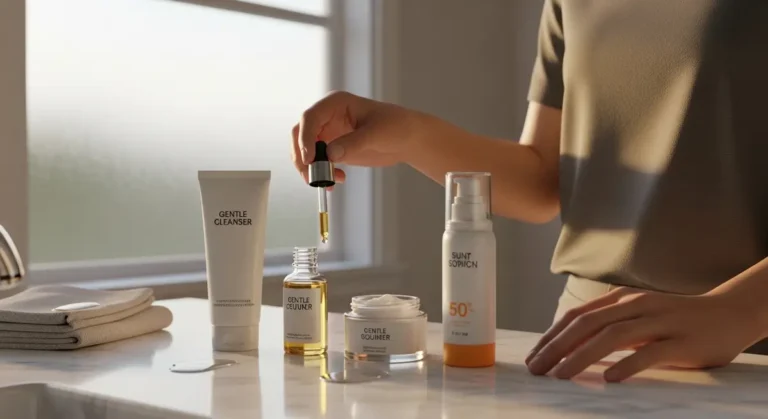
Skin Cycling 2.0 signals a shift from a viral skincare hack to a more evidence-led, personalized approach. In 2024–2025 dermatologists emphasize barrier repair as the backbone of any cycle, advising gentler retinol ramp-ups, measured exfoliation, and longer recovery nights for sensitive skin. This article unpacks what’s actually changed, how social platforms shaped the trend, and how to adopt a safe, science-meets-social routine.
Skin Cycling 2025: What’s Changed (Trend + Science)
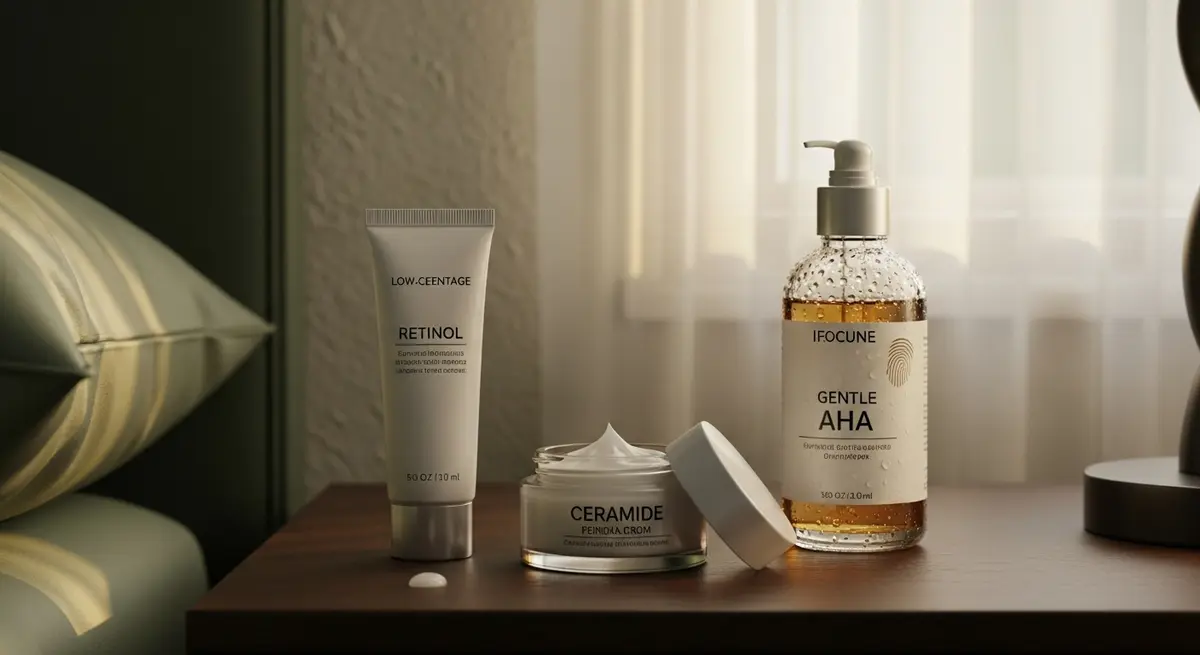
What began as a neat, repeatable hack on TikTok evolved quickly into a mainstream ritual — and then, by 2024–2025, into something far more considered. The original idea behind skin cycling was simple and attractive: limit active nights (retinoids, AHAs/BHAs) and intersperse them with recovery nights to let skin heal. Social platforms turned that template into mass guidance, but the first wave of viral clips also flattened nuance. Fast-forward to 2025 and the conversation has pivoted from copy-pasted routines toward a science-meets-social practice prioritizing the skin barrier.
Social-media influence accelerated adoption but also amplified mistakes. The TikTok trend made skin cycling accessible, but clips rarely showed the caveats: too-frequent acid use, aggressive daily exfoliation, layering multiple strong actives in one night, and—perhaps the most damaging—skipping daily sunscreen because results were expected to appear faster. Dermatologists began seeing the consequences: redness, increased transepidermal water loss (TEWL), flaking, and sensitized skin that didn’t respond well to continued active use. These are classic signs of a compromised barrier — and they explain why experts have moved from an actives-first mindset to a barrier-first framework.
Why the pivot to barrier repair matters: the outermost stratum corneum is the skin’s frontline for moisture retention and pathogen defense. When over-exfoliation or improper layering damages that layer, common benefits of retinol and exfoliation — improved texture, even tone, clearer pores — are harder to achieve and come with more irritation. Barrier-focused recovery nights center ingredients with proven restorative roles: ceramides to rebuild lipid structure, humectants like hyaluronic acid to restore hydration, and peptides to support repair pathways. The shift is less about abandoning retinol or acids and more about making their use sustainable and measurable.
Named perspectives help explain the change. Dr. Whitney Bowe — credited with popularizing the term and approach in earlier years — helped normalize rotational scheduling for actives, and the broader dermatology community has since refined those recommendations. Many clinical practices have echoed a similar evolution: clinicians now counsel gentler retinol ramp-ups, more conservative exfoliation frequency, and explicit recovery steps. These refinements reflect both clinical observation and a cultural demand for routines that are both effective and tolerable over the long term.
Trend data and patient patterns back the refinement. Social platforms continued to drive curiosity and experimentation, but by 2024–2025 dermatologists reported a clear increase in patients asking for personalized cycles rather than one-size-fits-all schedules. That personalization looks like longer recovery windows for sensitive skin, lower starting concentrations of retinoids, and flexibility across seasons — for example, dialing back acids in winter when drier air amplifies barrier stress.
Practical distinctions in 2025: retinol is no longer a binary on/off decision but a dial. Lower-percentage retinol or shorter-contact retinoid serums are recommended as starting points, with slow titration guided by tolerance. Exfoliation is treated as a targeted tool — once or twice weekly for most people, pared back if irritation appears. Recovery nights are explicit and ingredient-forward: think ceramide-rich creams, lightweight occlusives, calming niacinamide where tolerated, and consistent SPF during the day to protect newly revealed skin. Importantly, SPF is non-negotiable; it’s the difference between progress and setback when using photosensitizing actives.
The new consensus also reframes success metrics. Instead of chasing rapid visible change, clinicians encourage steady gains: fewer flare-ups, less persistent redness, improved hydration and elasticity, and fewer setbacks that force people to stop actives entirely. Extended recovery nights — sometimes two or three consecutive barrier-first evenings after a strong active night — are common for sensitive or compromised skin.
What to watch for and what to adopt now: avoid stacking acid + retinol on the same night at full strength, don’t increase exfoliation frequency because a video promised faster results, and never skip daily SPF. Keep introduction slow: patch-test new actives, begin with lower retinol strengths, and consider alternating one active night with two recovery nights if your skin trends sensitive. For Gen Z and Millennials who learned routines on TikTok, the lesson of 2025 is simple and powerful: social virality gave skin cycling momentum; dermatology and emerging trend data gave it nuance and safety.
Takeaway points
- Social platforms turned skin cycling into a worldwide TikTok trend, but viral simplicity often missed important safety limits.
- Dermatologists and clinics have shifted to barrier-first cycles: gradual retinol ramp-ups, measured exfoliation, and explicit recovery nights featuring ceramides, humectants, and peptides.
- Personalize frequency by skin type and season, always wear SPF, and prioritize consistency over speed to see steady, sustainable results.
The Updated Routine: Practical Skin Cycling 2025 Steps (Retinol & Exfoliation)
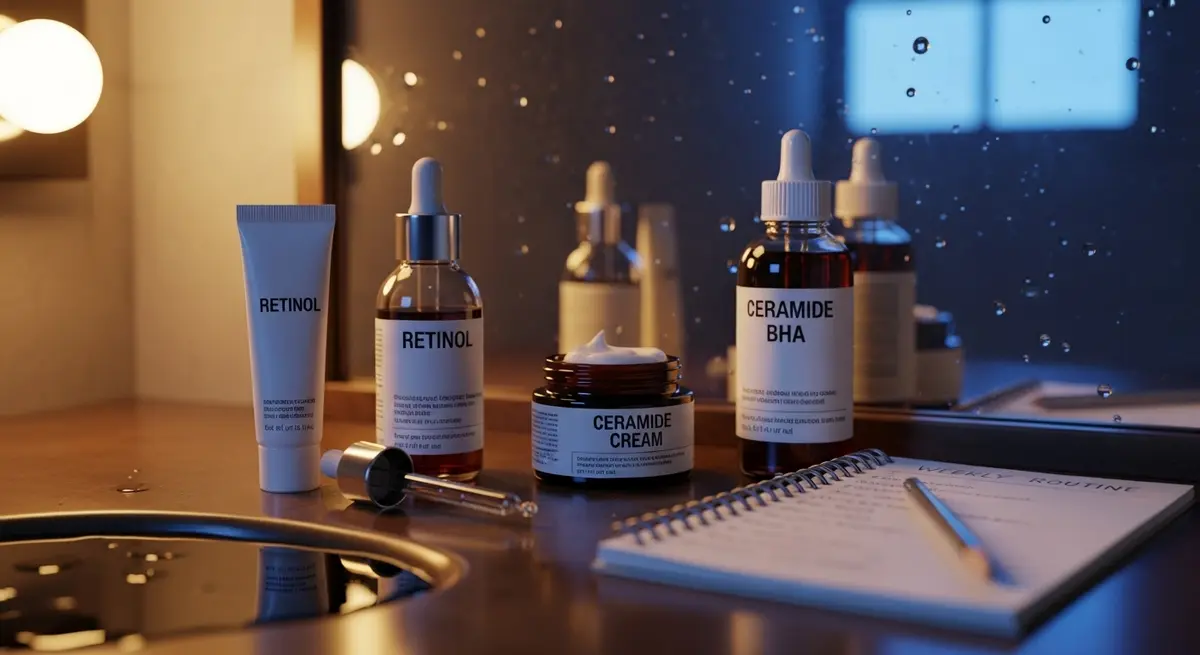
The 2025 take on skin cycling keeps the original promise—rotate strong actives with recovery—but re-centers the cycle around barrier repair, gentler ramp-ups, and personalization. Dermatologists from clinics like Westlake Dermatology and voices such as Dr. Whitney Bowe now recommend slower introductions to retinoids, measured exfoliation, and more frequent recovery nights to reduce flares and long-term barrier damage. Below is a practical, night-by-night framework you can adapt depending on your tolerance and season, plus straightforward mods for oily, acne-prone, sensitive, and combination skin.
A flexible week template (baseline)
- Night 1 — Retinol night (start low and sparse): OTC retinol 0.25%–0.5% (or prescription tretinoin 0.025%–0.05% when guided by a derm). Begin 1–2 nights/week and add nights every 2–4 weeks as tolerated.
- Night 2 — Recovery night: hydrating serum (hyaluronic acid), ceramide-rich moisturizer, gentle peptides or niacinamide if tolerated.
- Night 3 — AHA or BHA night: choose a BHA (salicylic acid 1%) for pore-focused exfoliation or an AHA (glycolic/lactic 5%–10%) for surface texture. Use once weekly at first.
- Night 4 — Recovery night: thicker occlusive or layering of glycerin + ceramides; avoid actives.
- Nights 5–7 — Repeat the pattern, increasing retinol or exfoliant nights slowly based on skin response.
This isn’t a prescriptive four-night “rule” but a flexible scaffold: many people in 2025 are using 2–3 retinol nights and 1–2 exfoliant nights per week, with the rest reserved for barrier repair.
Recommended strengths and frequencies
- Retinol (OTC): start 0.25%–0.5%. Use 1–2 nights/week for 2–4 weeks, then increase to 2–3 nights/week if no irritation. For prescription retinoids (tretinoin), typical initiation is 0.025%–0.05% with similar slow titration under clinic supervision. As Dr. Whitney Bowe and other dermatologists emphasize, “prioritizing barrier repair and introducing retinoids slowly allows the skin to adapt and thrive, minimizing setbacks.”
- Salicylic acid (BHA): 1% is effective and generally well tolerated once weekly to several times weekly depending on oiliness and tolerance; avoid daily high‑strength use unless directed by a clinician.
- AHAs (glycolic, lactic): 5%–10% OTC is a sensible starting range; professional peels are stronger and should be spaced and supervised.
How to layer nightly (practical order)
- Cleanse gently.
- For retinol nights: pat skin dry (applying retinol to thoroughly dry skin lowers irritation), wait 10–20 minutes, apply a pea-sized amount of retinol, then follow with a ceramide-rich moisturizer.
- For exfoliant nights: apply BHA/AHA to clean, dry skin, wait a few minutes for absorption, then hydrate and lock in with moisturizers.
- Recovery nights: skip actives; use a hydrating serum (hyaluronic acid or glycerin), a ceramide-forward moisturizer, and peptides or niacinamide if your skin tolerates them.
Recovery-night ingredients (why they matter)
- Ceramides: restore barrier lipids and reduce transepidermal water loss.
- Hyaluronic acid/glycerin: draw and hold moisture for immediate plumpness.
- Peptides and niacinamide: support repair and evenness without significant irritation.
Using these on recovery nights reduces cumulative irritation from retinoids/exfoliants and speeds visual improvement.
Seasonal adjustments
- Winter (cold, dry): reduce exfoliant and retinol frequency; favor thicker, emollient recovery products and consider adding an occlusive on the driest nights. Extend recovery nights—sensitive skin may need 48–72 hours of uninterrupted repair after each active night.
- Summer (heat, humidity, sun exposure): you may tolerate a slightly higher frequency of gentle AHAs/BHAs, but strictly maintain daily SPF (see below). Consider lighter, water-based hydrators as long as barrier support (ceramides) stays in place.
Sunscreen and daytime routine (non-negotiable)
Retinoids and many AHAs increase photosensitivity. Apply a broad-spectrum SPF 30+ every morning; reapply every 2 hours if in direct sun or after sweating/swimming. Pair your active-night protocol with consistent daytime barrier support (gentle cleanser, lightweight hydrator, SPF). If you need a quick primer on fundamentals like gentle cleansing and regular moisturizing to support your cycle, start with a practical guide to gentle cleansing, consistent moisturizing.
How to introduce actives safely (stepwise)
- Patch test any new active for 48–72 hours on the inner forearm or behind the ear.
- Start with one active night per week, then add a second activity night after 2–4 weeks if no irritation appears.
- Don’t layer retinoids and strong acids on the same night until your skin is well adapted; when combining, consider alternating nights.
- If redness, burning, or persistent flaking appears, pause actives and increase recovery nights. If severe or prolonged, see a dermatologist.
Simple templates by skin type (clear, usable mods)
- Oily / acne-prone: You may tolerate BHA 1% 1–3x/week and retinol 2–3x/week sooner than dry skin. Start with retinol 1–2x/week and add a BHA night; benzoyl peroxide can be used on alternate nights or under clinician guidance to avoid compounding irritation.
- Sensitive: Begin with retinol 0.25% once weekly for 2–4 weeks, slowly increase frequency every 2–4 weeks. Favor lactic acid (gentler AHA) or skip chemical exfoliation until tolerance improves. Emphasize recovery nights—two consecutive repair nights after an active night can help.
- Combination: Use targeted strategies—BHA in the T-zone 1–2x/week, retinol 1–2x/week for overall texture, and richer recovery products where skin is dry.
- Acne under dermatologic care: follow your clinician’s schedule. Many will alternate topical prescriptions to balance efficacy and tolerability; avoid DIY stacking of multiple prescription actives without oversight.
Quick troubleshooting and practical tips
- Pea-sized retinol, sparing application to sensitive areas (corners of nose, eyelids), and buffering (mixing a little moisturizer with retinol) can reduce irritation.
- If you get a reactive flare, stop actives and rebuild barrier with nightly ceramide/hyaluronic acid and SPF by day. Dr. Whitney Bowe and other experts have shifted guidance toward prioritizing barrier repair first—this reduces setbacks and improves long-term outcomes.
- Track your skin’s response in a simple notebook or photo log: rash, redness, dryness, and breakouts are meaningful signals.
Skin Cycling 2025 is less about rigid rules and more about balancing efficacy and tolerance—use the night-by-night scaffold above, prioritize recovery and sunscreen, adapt by season, and escalate actives slowly. When in doubt about combining prescription ingredients or managing severe irritation, consult a board-certified dermatologist.
DIY Mistakes, Microbiome & When to See a Dermatologist

Social platforms turned skin cycling into a repeatable, bite‑sized ritual — but the most popular short-form videos often skip the important nuance: skin is a living organ, not a content formula. The same actions that promise fast results on-screen — aggressive layering of actives, nightly chemical exfoliation, or stacking retinol with acids — are the moves that most commonly dismantle the skin barrier and destabilize the microbiome in real life. Below are the common DIY missteps, why they matter biologically, and step‑by‑step fixes to get back to progress without the price of inflammation.
Typical social-media driven mistakes and why they harm skin
- Over-exfoliation and nightly acids. Repeated use of AHAs/BHAs or mechanical scrubs strips lipids, increases transepidermal water loss (TEWL), and thins the stratum corneum — leaving skin red, tight, and more reactive to irritants and UV.
- Layering multiple strong actives. Mixing a retinoid, chemical exfoliant and benzoyl peroxide in a single night is a fast route to barrier breakdown and post‑inflammatory hyperpigmentation for many people.
- Ignoring recovery. Recovery nights are not optional: barrier repair ingredients (ceramides, cholesterol, fatty acids) and hydration are what let actives deliver results long term.
- Skipping patch testing and titration. Jumping from zero to nightly retinol or high‑strength acids increases the risk of dermatitis and discontinuation.
- Confusing purge with damage. Persistent worsening, blistering, or pain are not a transient purge — they’re warnings.
Dermatologists from a range of practices — including voices like Dr. Whitney Bowe, who emphasizes microbiome health, and clinicians at practices such as Westlake Dermatology — have pushed the conversation away from aggressive, one‑size‑fits‑all routines toward gentle, evidence‑based cycles that privilege barrier repair and measured progress.
How overuse disrupts the skin barrier and microbiome
The outermost layer of skin relies on intact lipids and a balanced community of microbes to block pathogens and regulate inflammation. Harsh cleansers, fragranced alcohols, and repetitive exfoliation remove protective lipids and beneficial commensal bacteria, creating a microenvironment favorable to opportunistic species and irritant penetration. That dysbiosis can show as increased redness, flares of acne or rosacea, and slower healing — exactly the opposite of the glowing results people chase on social platforms.
Practical fixes: start with fewer products, then build with intention
- Patch testing: Apply a pea‑size amount of a new product to the inner forearm or behind the ear and observe for 48–72 hours for redness, itching, or blistering.
- Slow titration: Begin retinoids 1–2 nights per week for the first 2–4 weeks, then gradually increase frequency as tolerated. Treat strong chemical exfoliants the same way.
- Minimum product list (a reliable baseline):
- Morning: gentle cleanser, antioxidant serum or hydrator (optional), broad‑spectrum SPF 30+.
- Evening (recovery nights): gentle cleanser, barrier moisturizer (look for ceramides, cholesterol, fatty acids), occlusive if needed.
- Targeted active nights: retinol or AHA/BHA alternated with recovery nights — not combined on the same evening.
- Buffering and “sandwiching”: When starting retinol, apply moisturizer before and after a retinoid (the sandwich method) to reduce irritation without nullifying efficacy for many users.
Evidence‑backed tips for product selection and ingredient compatibility
- Choose fragrance‑free, low‑alcohol formulas when rebuilding the barrier. Fragrance is a common sensitizer.
- pH matters for acids: AHAs and BHAs work best at lower pH, but lower pH formulations can be more irritating. If sensitivity emerges, switch to gentler concentrations or enzyme exfoliants.
- Avoid pairing two strong actives on the same application: retinoid + AHA/BHA, or retinoid + strong peeling agents. Instead, alternate nights or reserve acids for mornings if your retinoid is strictly an evening product and your dermatologist approves.
- Niacinamide pairs well with both retinol and vitamin C and is often soothing for inflamed skin. Antioxidants like stable forms of vitamin C are most useful in the morning under SPF.
- Benzoyl peroxide can be drying and, in some formulations, may oxidize certain retinoids; separate timing (morning vs. evening) or consult a clinician for combination strategies.
Building a minimalist yet effective cycle
Think in layers of priority: sunscreen, barrier support, then targeted actives. A sample minimalist cycle for someone new to actives might look like this:
- Week 1–4: Recovery nights 5–6x/week (ceramide moisturizer), retinol 1–2 nights/week.
- Week 5–8: If tolerated, increase retinol nights to 2–3/week; introduce a gentle AHA/BHA once weekly on a non‑retinol night.
- Ongoing: Maintain at least 2–3 recovery nights weekly, increase or reduce actives seasonally and based on skin tolerance.
This approach respects the barrier and microbiome while still permitting targeted improvement over months — exactly the pivot dermatologists recommend as skin cycling matures into a personalized, evidence‑led system.
Red flags that need professional care
Seek prompt dermatologic evaluation if you experience any of the following after introducing a product:
- Severe or spreading redness, blistering, oozing, or crusting (possible allergic contact dermatitis or severe irritation).
- New painful nodules, cysts, or rapidly worsening acne despite stopping actives.
- Signs of infection: warmth, fever, increasing pain, or pus.
- Persistent hyperpigmentation or scarring after inflammatory events.
If uncertainty persists about ingredient combinations, stronger prescription options (tretinoin, topical antibiotics, oral therapies), or if you have a history of eczema, rosacea, or very reactive skin, an evaluation by a board‑certified dermatologist will save time and prevent long‑term damage.
Final takeaways
Social media catalyzed interest in skin cycling — but the next phase is clearly science‑led. Prioritize the barrier and the microbiome, introduce actives slowly, keep a pared‑down product list, and treat recovery nights as integral, not optional. When irritation crosses into pain, infection, or persistent discoloration, that’s a cue to stop DIY escalation and seek expert care.
Conclusion
Skin Cycling 2.0 is less about strict rules and more about smart, skin-first principles: respect the barrier, introduce actives slowly, and prioritize recovery. By following 2025 guidance on retinol strength, measured exfoliation, and barrier-repair ingredients you’ll reduce irritation and see steadier results. Personalize the cycle based on skin type and season, wear SPF daily, and consult a dermatologist for persistent issues.
Ready to upgrade your routine? Learn the new skin cycling steps and start protecting your skin barrier today: Start your updated skin cycling routine